Home Builder Web Design Built Around What Buyers Ask

Expert home builder web design for custom and production builders nationwide. Every page answers a question buyers ask before they choose, so your site is built to win inquiries and give Google and AI a reason to name you.

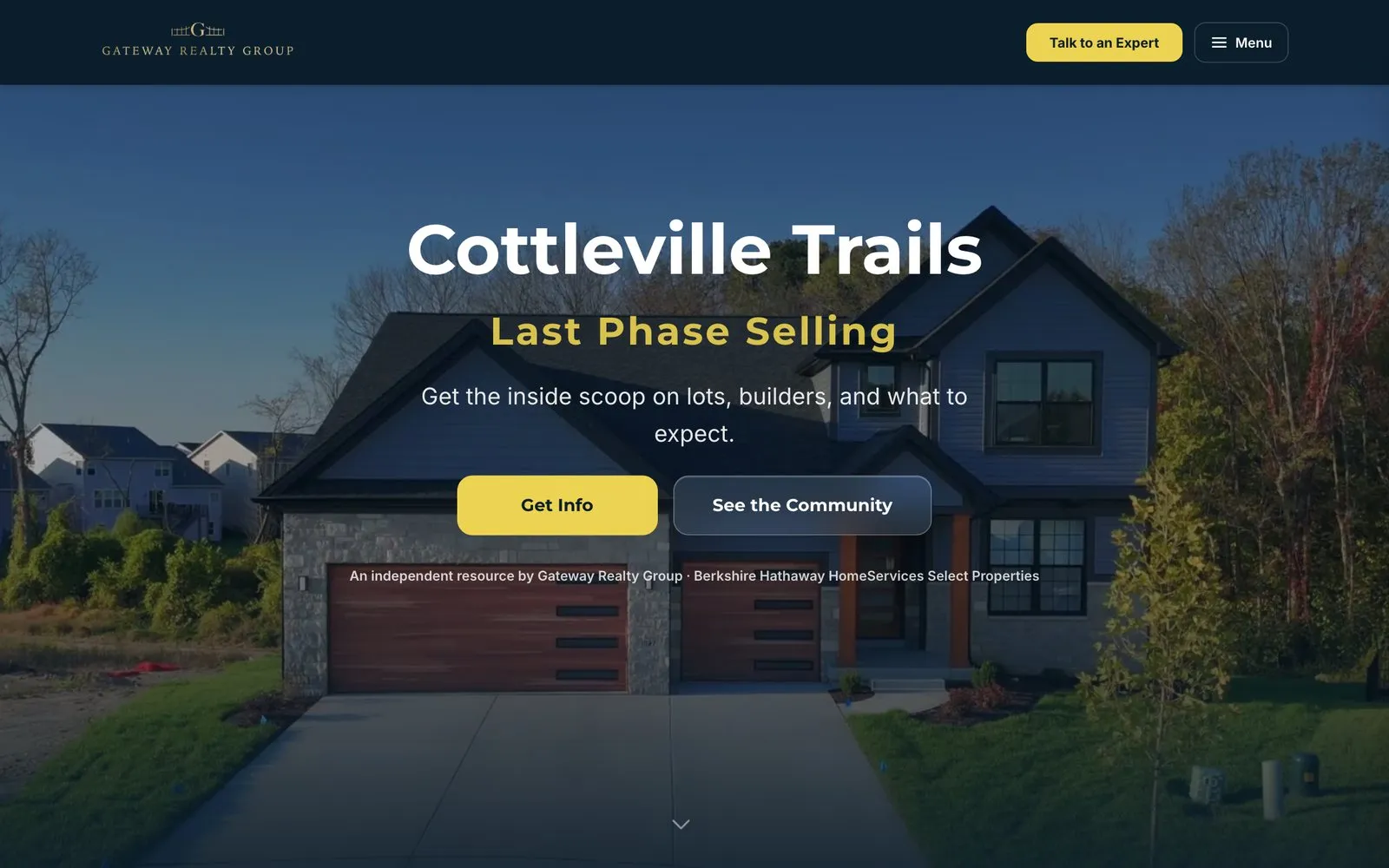
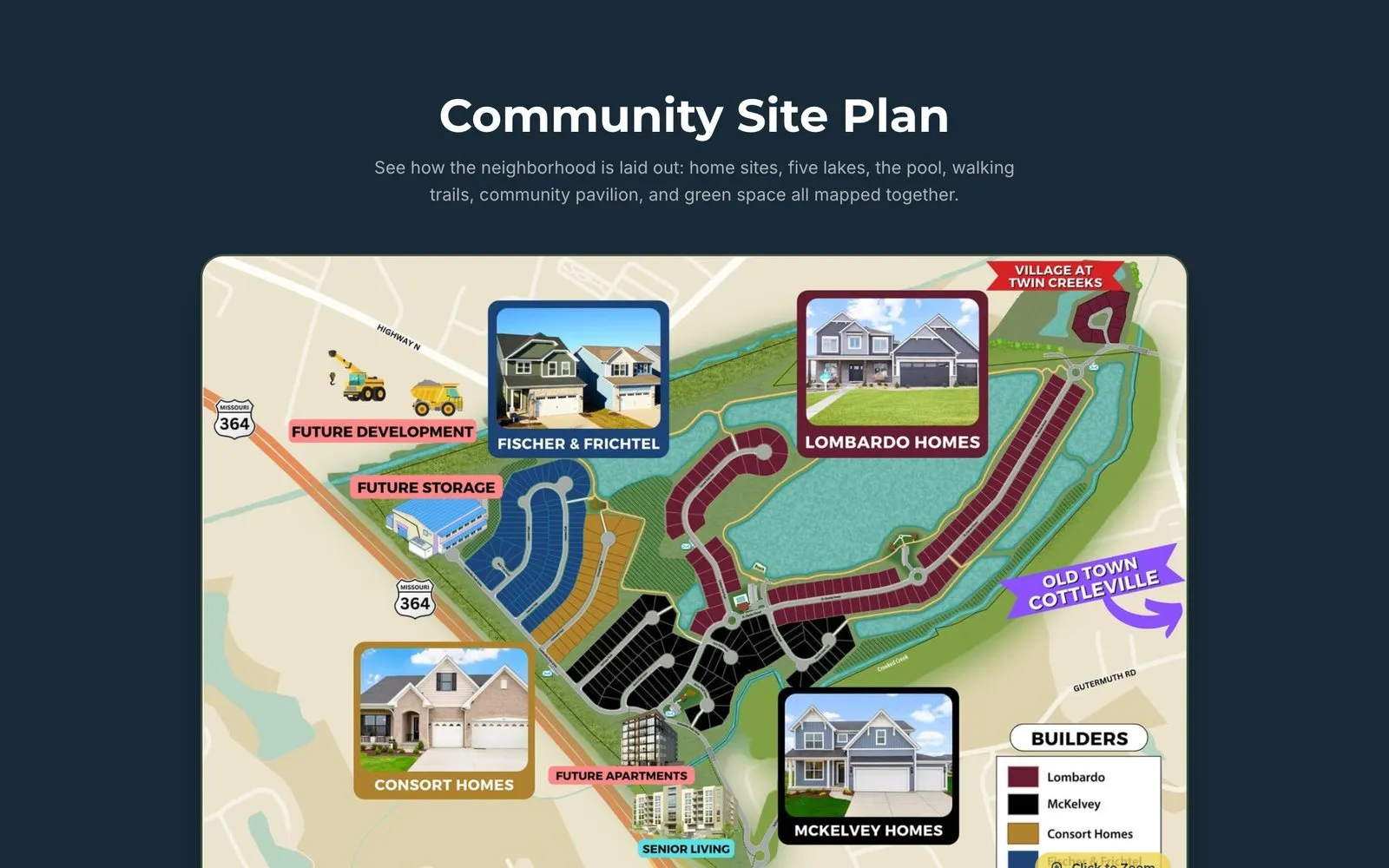
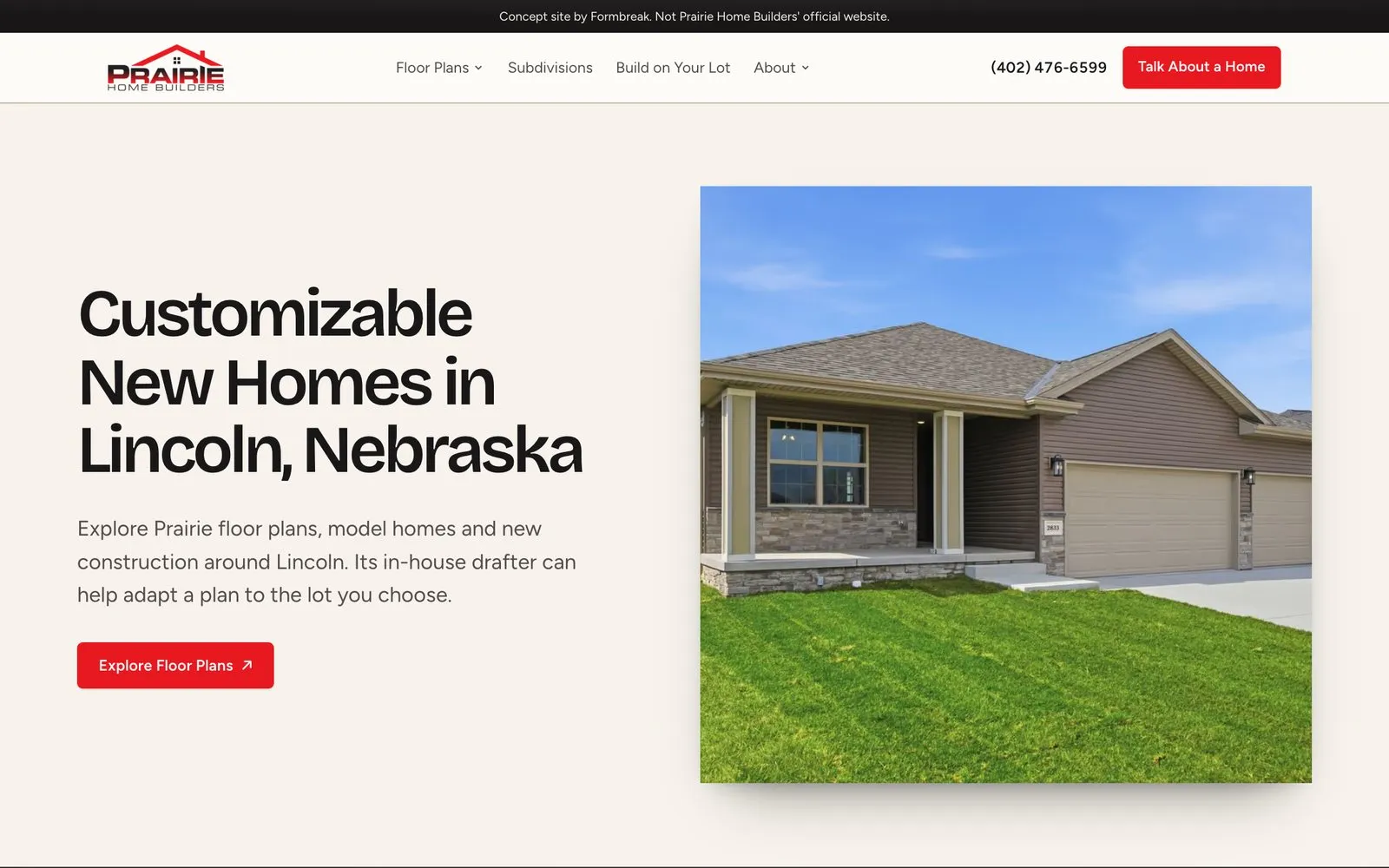
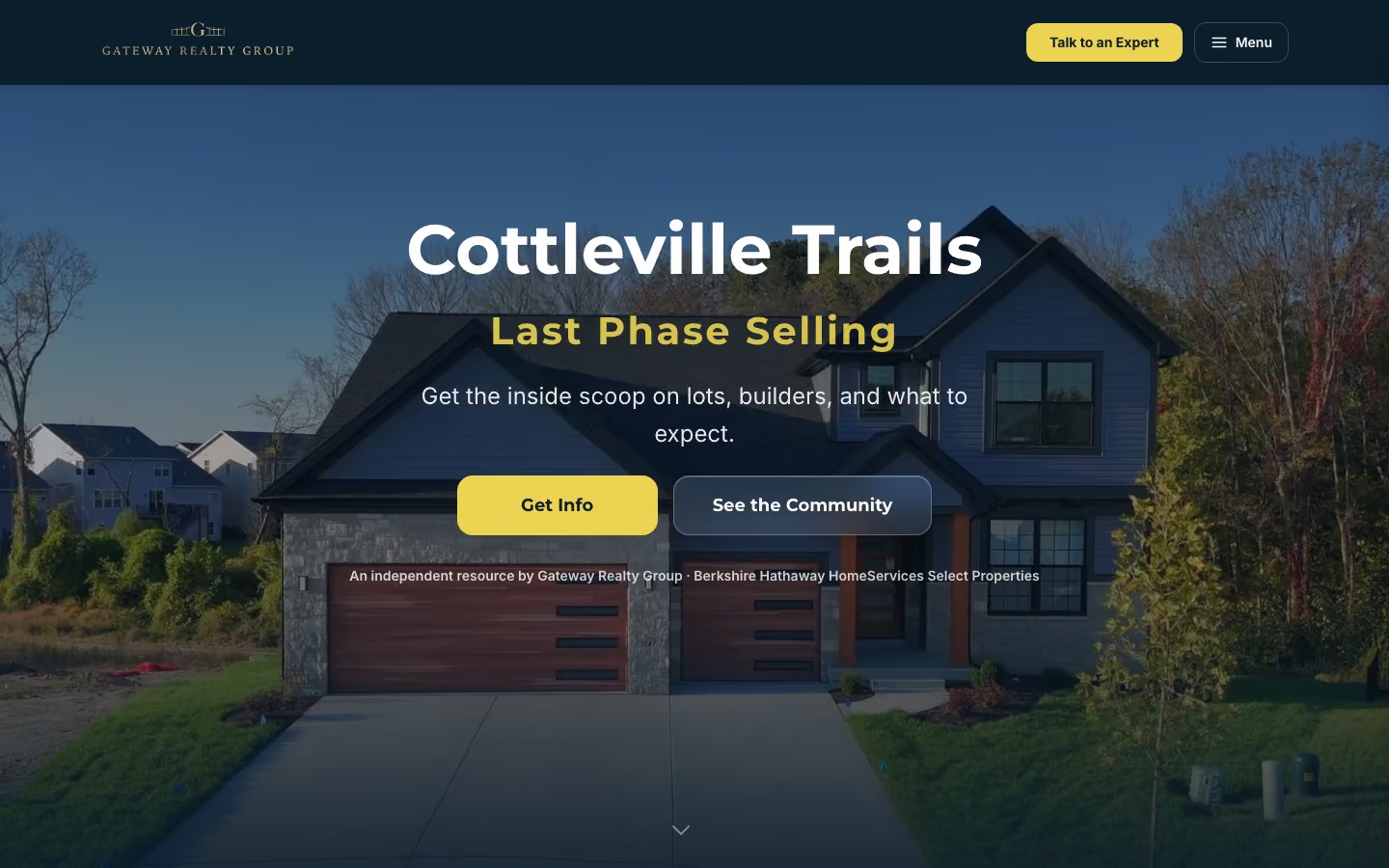
cottlevilletrails.com, a new construction community website with floor plans and available homes, built by Jacob Peistrup
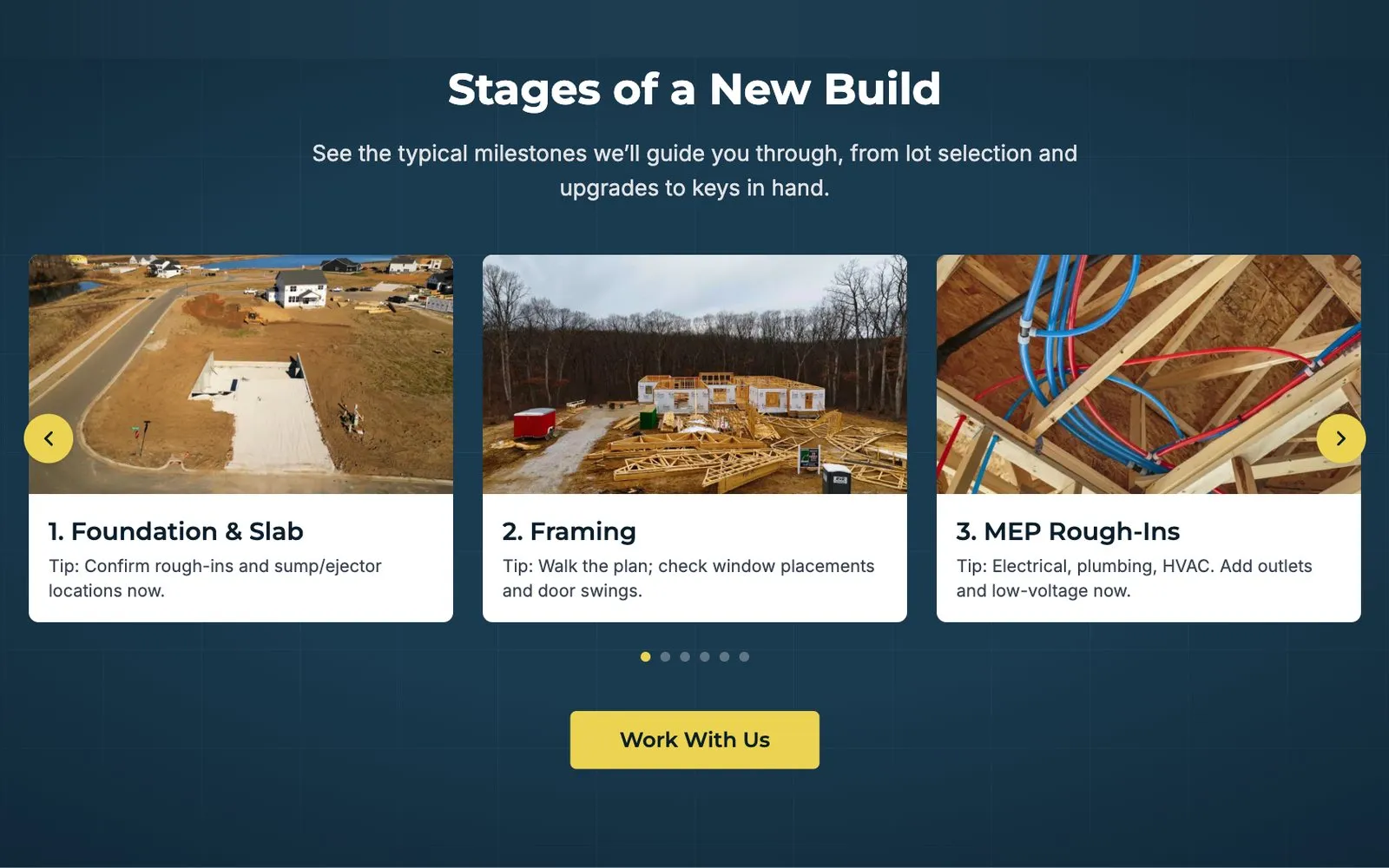
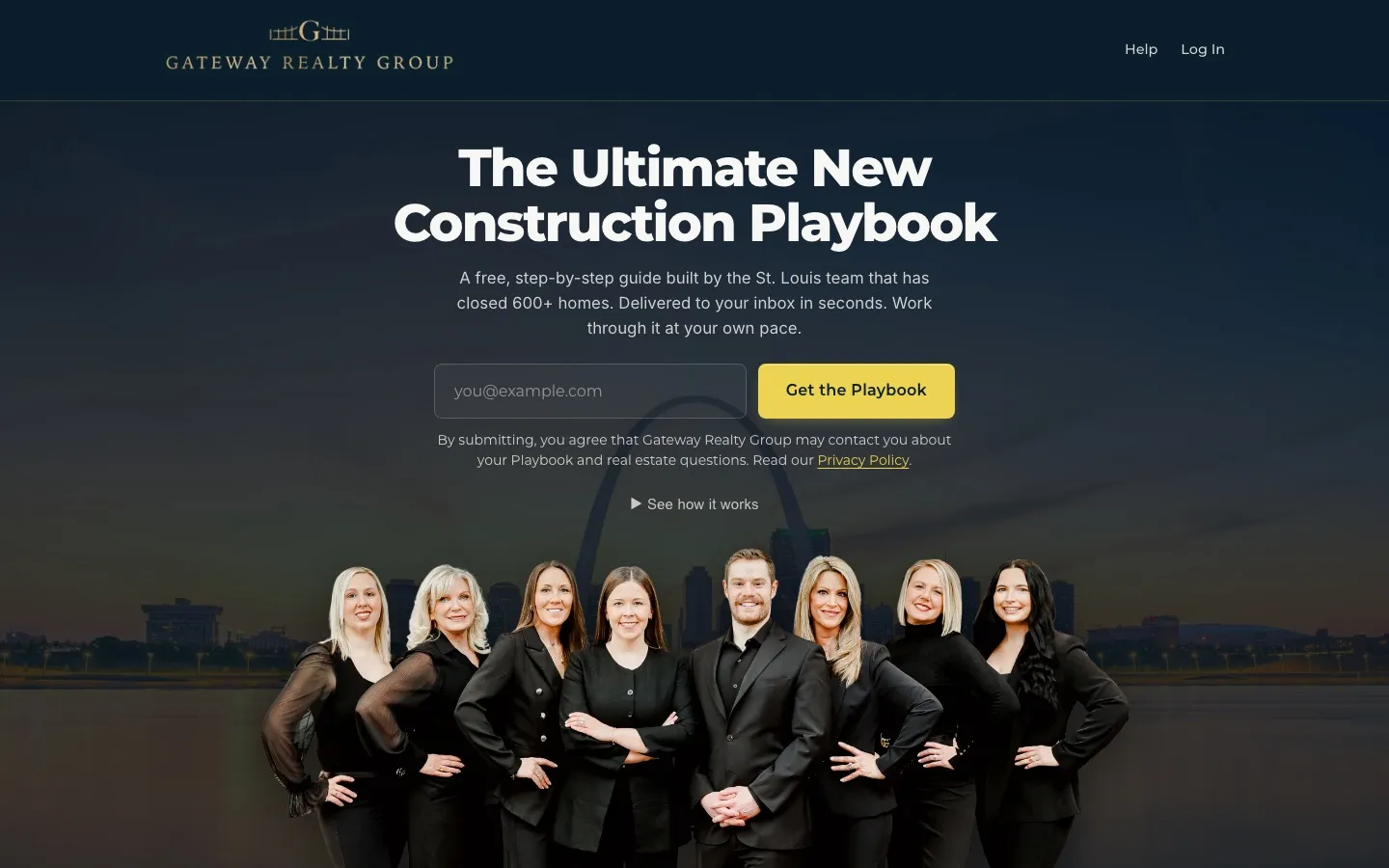
newconstructionplaybook.com, a buyer guide that walks new construction buyers through building a home, with an email signup
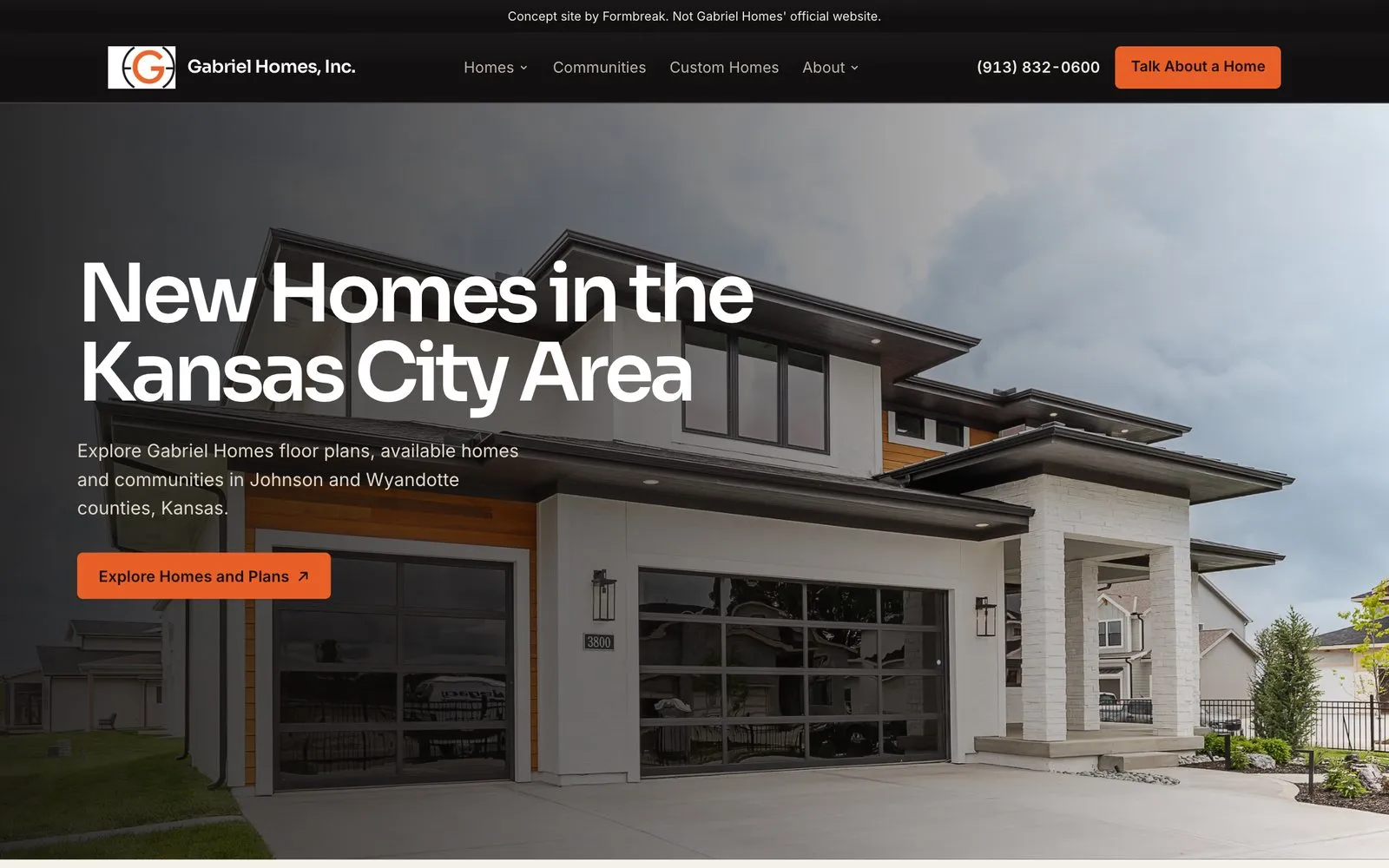
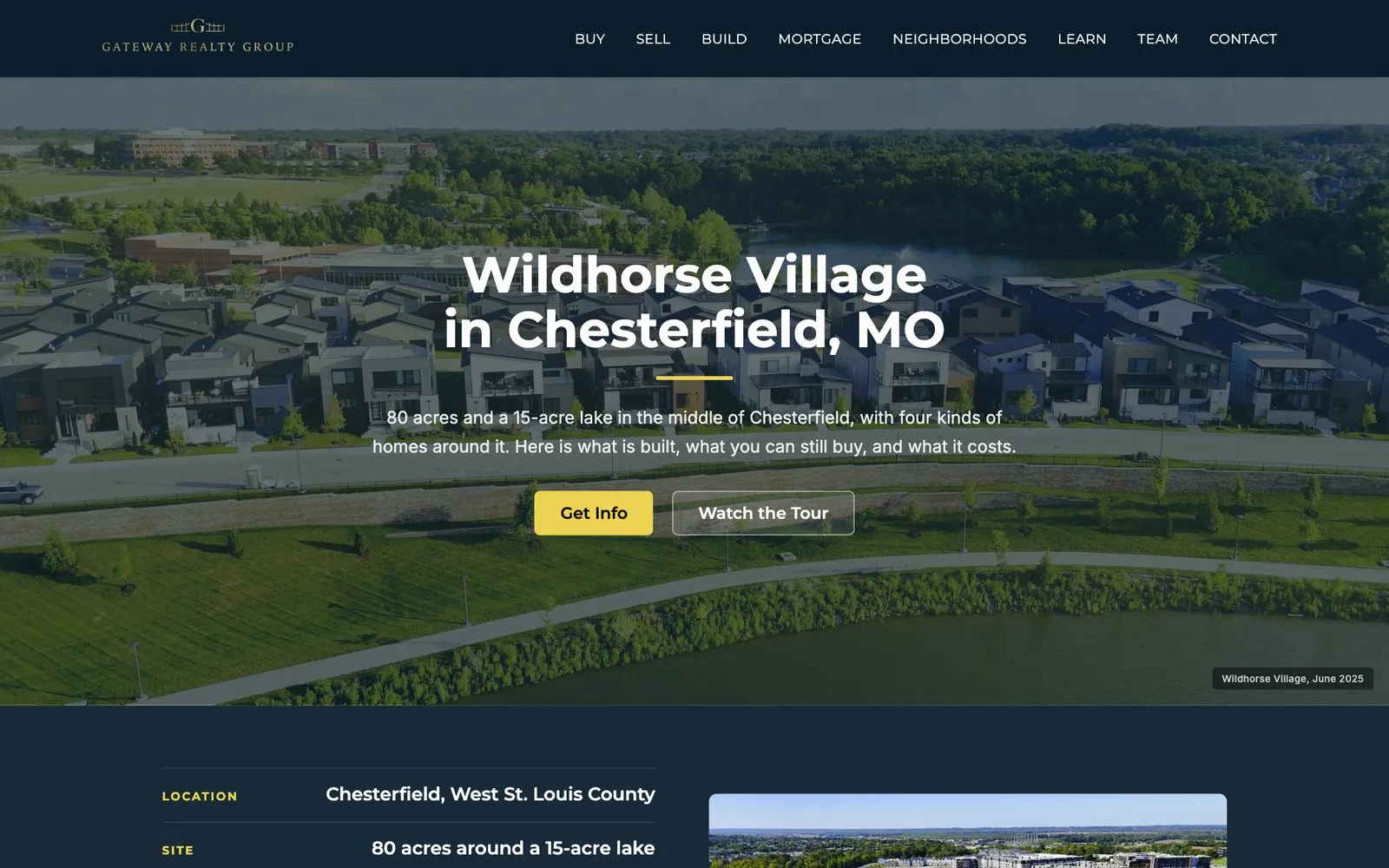
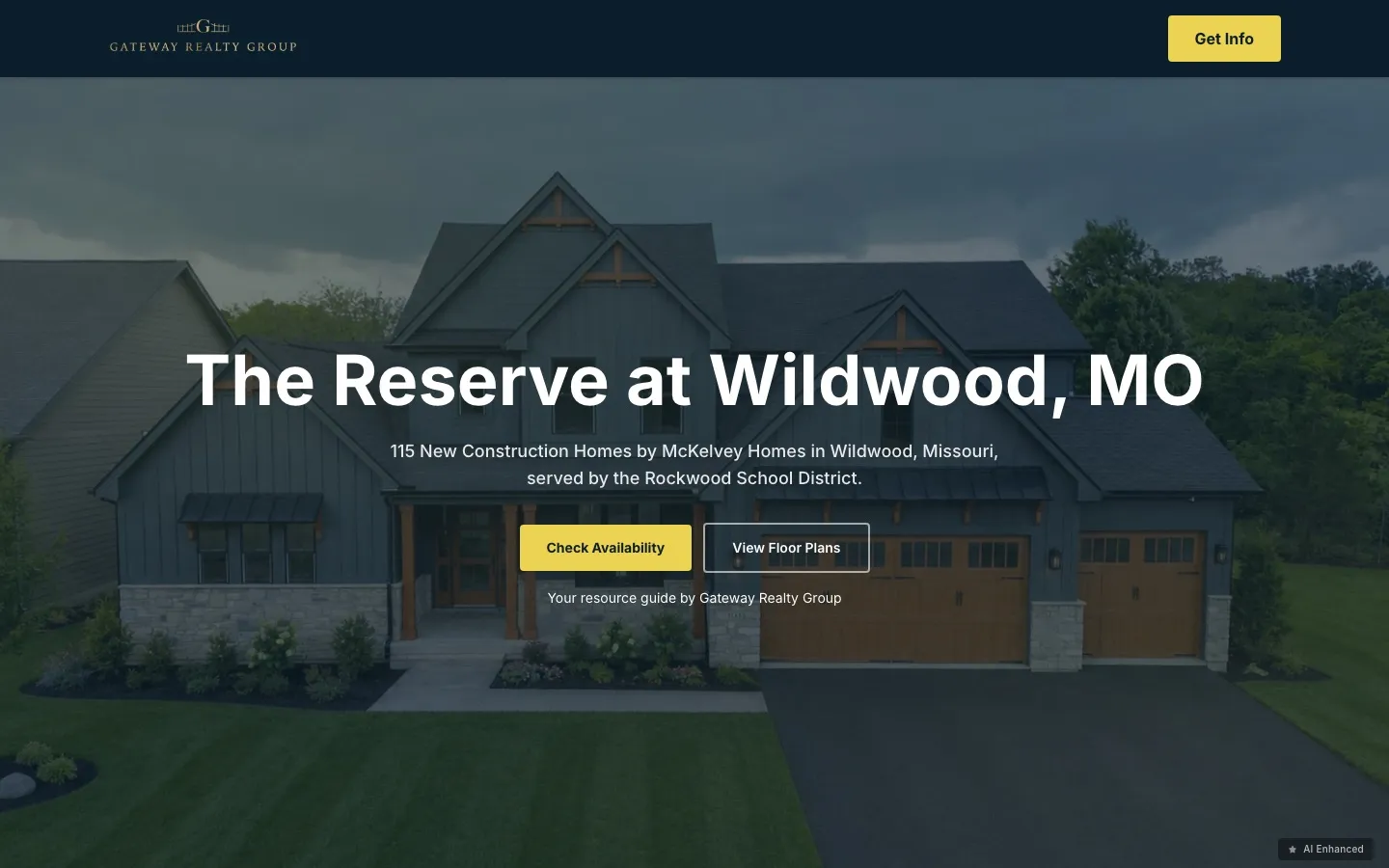
New construction websites for Gateway Realty Group

Home Builder Web Design for How You Sell

The pages your site needs depend on how you build.

yourcommunity.com

Compare Floor Plans

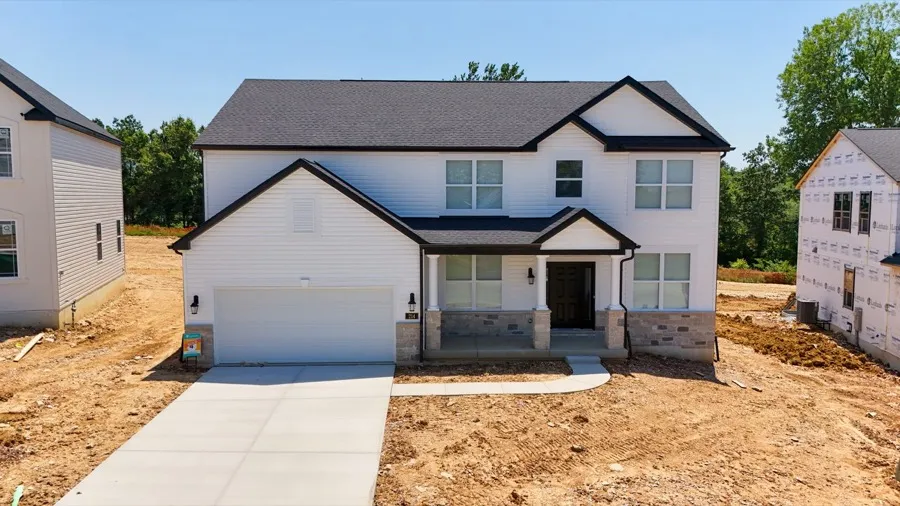
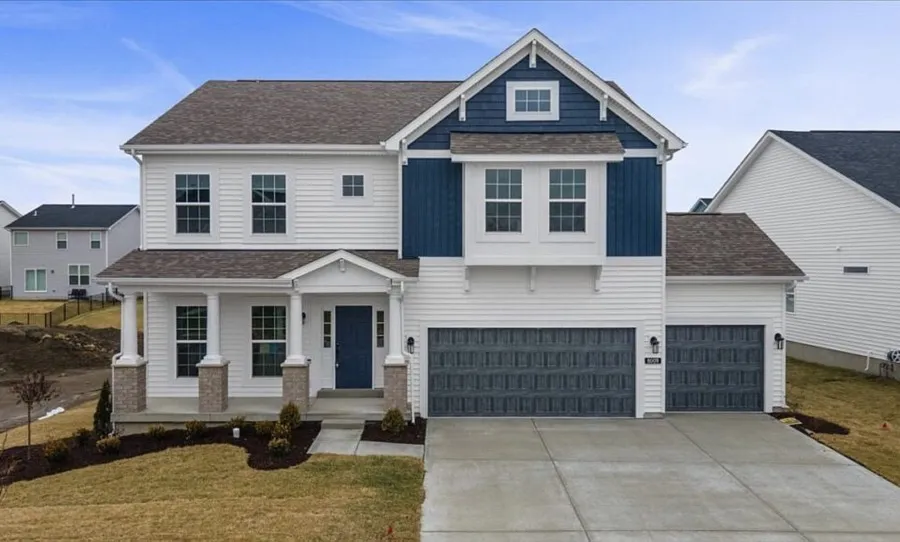
  • Two-story new construction home with a front porch, used as a floor plan card photoPlan 13 bd1,850 sq ft
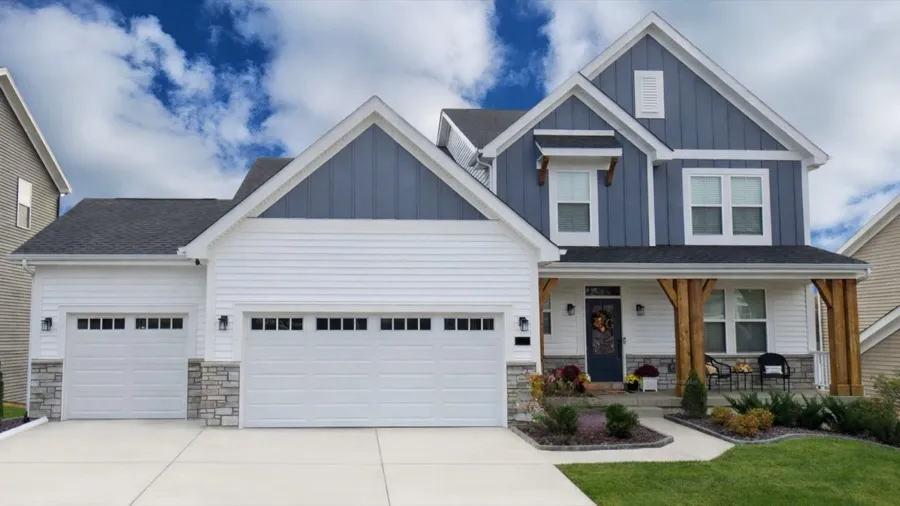
  • New construction home with stone accents and a two-car garage, used as a floor plan card photoPlan 24 bd2,400 sq ft
  • Two-story new construction home in a St. Louis area community, used as a floor plan card photoPlan 34 bd2,950 sq ft
Move-in ready Under construction

Production Builders

Buyers compare your communities, plans, and prices against other builders before they call your sales team.

  • Community pages with neighborhoods, amenities, and plans
  • Floor plans buyers can compare side by side
  • Move-in-ready homes with current prices
yourcompany.com
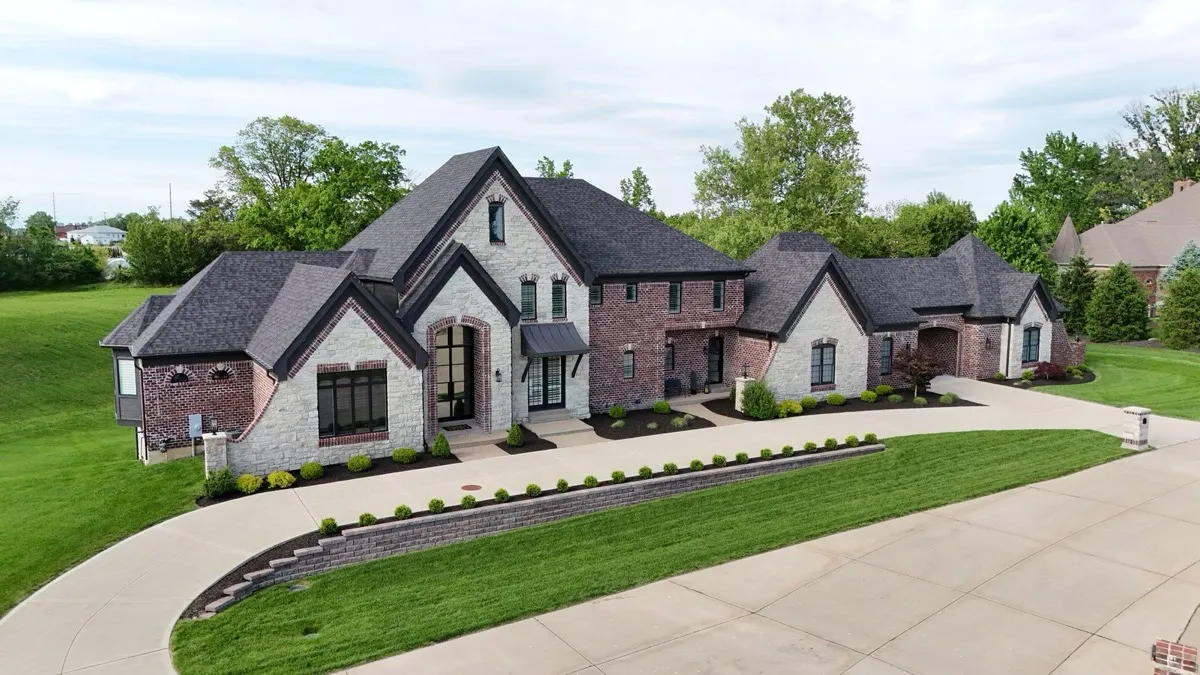
Custom brick and stone luxury home in Kennedy Crossing, Wildwood, Missouri, used as a website hero photo

Your Build, Step by Step

  1. Design
  2. Selections
  3. Build
  4. Walk-through
  5. Warranty
Already own land?

Custom Builders

A custom build can take a year or more, so buyers need to trust your build process.

  • Your design and build process, step by step
  • A clear path for build-on-your-lot projects
  • Finished-home case studies that explain your decisions

Book a Free 30-Minute Call

Pick a time that suits you. Jacob reviews your current website before the call, so you leave with clear next steps.

Website design starts at $3,750. Preview 5 core pages within 7 days of kickoff, once materials and access are ready. You own your website, domain and content.

Projects We’ve Built

Community sites, buyer guides and builder homepages. Concepts are labeled. Tap any site to see it larger.

What Your Homebuilder Website Includes

The pages that help buyers choose a builder.

  • Community Pages

    Location, school district, amenities, available lots, and price range.

    Best for production builders

  • Floor Plan Pages

    Compare layouts, square footage, elevations, and customization options.

    Best for every builder

  • Available Homes

    Current prices, completion status, and tours for move-in-ready homes.

    Best for production builders

  • Your Building Process

    Building timelines, milestones, and warranty information, in plain English.

    Best for every builder

  • Finished-Home Stories

    Case studies with professional photography, project details, and testimonials.

    Best for custom builders

  • Your Story

    Your team, years in business, and the standards buyers can count on.

    Best for every builder

Built to Work as Hard as Your Sales Team.

Make choosing a home and following up easier.

Website build

Make Every Home Easy to Explore

Help buyers compare floor plans, home listings and completed projects in a fast, mobile-friendly digital showroom.

What That Looks Like

Responsive web design pairs intuitive navigation with accessible controls and clear visual hierarchy. We check Core Web Vitals, including Largest Contentful Paint and Cumulative Layout Shift. Responsive srcsets, WebP formats and a content delivery network keep high-quality visuals fast; server latency is investigated when needed.

Integrations scoped with you

Connect Interest to Your Sales Team

Capture budget, location and timeline. Connect qualified inquiry forms to your CRM and appointment scheduling so your sales team can follow up.

What That Looks Like

Lead capture and routing follow your sales pipelines. We scope CRM integrations, multi-step forms, model home check-in, call tracking and marketing automation triggers around your workflow. Buyer preferences and lead qualification help your online sales team prioritize follow-up without collecting sensitive financing details.

Content management

Keep Your Homes and Plans Current

Update available homes, pricing and plan documents through your content management system (CMS). No programming knowledge required.

What That Looks Like

Custom templates organize community detail pages, floor plan galleries and move-in-ready inventory. Homesite tracking, lot availability, interactive site maps and 3D virtual tours depend on your assets and scope. Real-time availability feeds need reliable inventory management systems; we assess integration complexity before recommending them.

Custom dashboard included

See What Becomes a Real Inquiry

See which searches and campaigns drive floor plan inquiries and consultation requests. Your dashboard connects lead source attribution with conversion rates.

What That Looks Like

Website analytics and conversion tracking cover phone clicks, brochure downloads and bookings. Review submission rates, click-through rates and community-level performance alongside CRM pipeline tracking where supported. User feedback guides data-driven optimization; bounce rates provide context, not proof of revenue.

Jacob Peistrup, founder of Formbreak, smiling in a black suit while sitting on a white fireplace ledge

Built From the Questions Buyers Ask

Jacob runs Living St. Louis, a YouTube channel where new construction buyers send him questions every week. Agents who tour buyers through several builders fill in the rest.

  • From agents

    Every builder’s process is different, and most buyers only find out mid-build.

  • From agents

    Buyers compare floor plans first, and some pick a lesser lot to get the plan they love.

  • From buyers

    Buyers want to know what they can customize, and how long the build will take.

If buyers ask it, your website should answer it.
Jacob Peistrup, Formbreak founder

Why Buyer-First Websites Get Named in Google and AI Answers

Your website, reviews and directory citations should tell the same story: what you build, where you build and why buyers trust you. Clear pages give search engines and AI tools useful facts to reference. Here is how that works on a builder homepage.

Who, What and Where in One Line

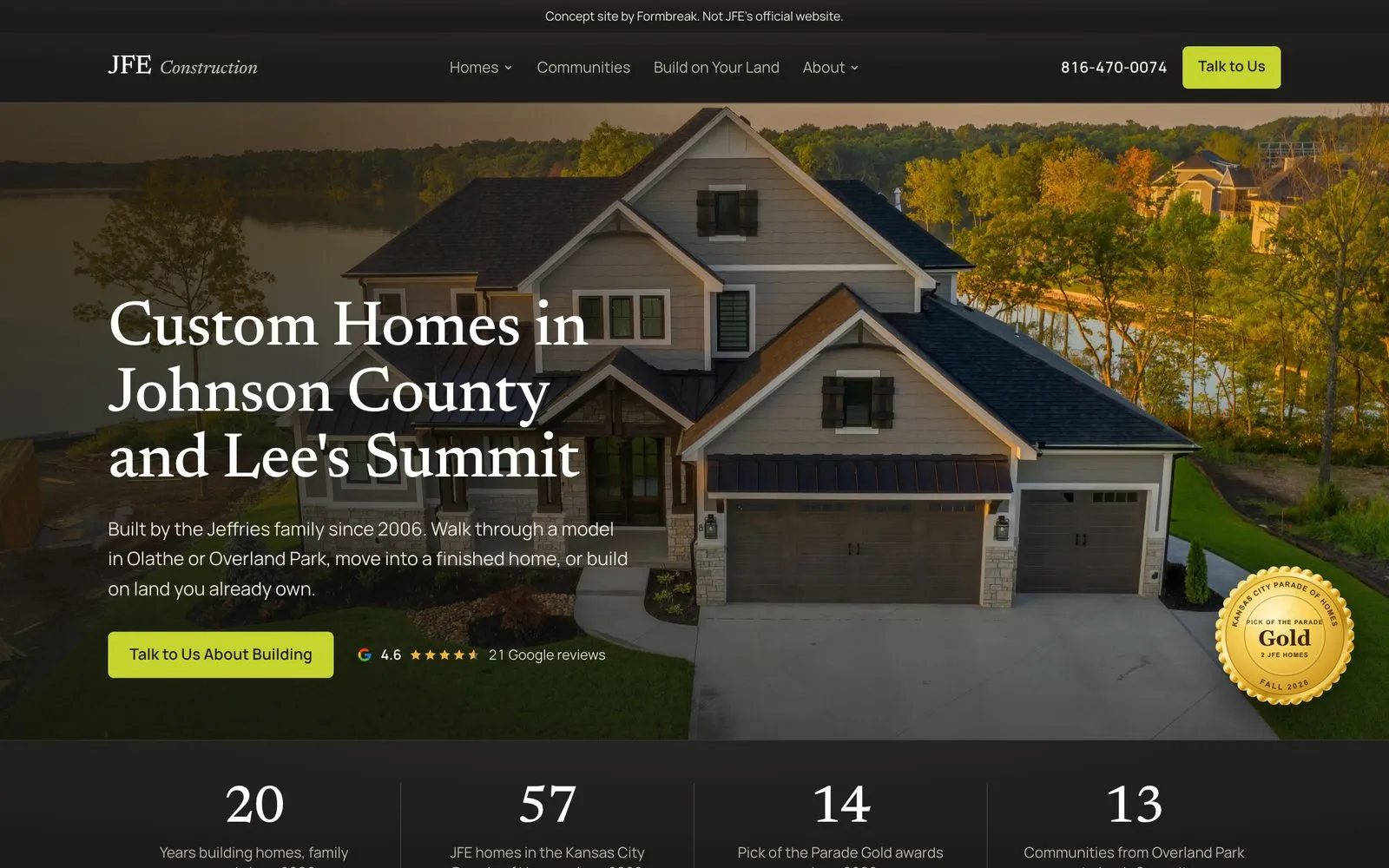
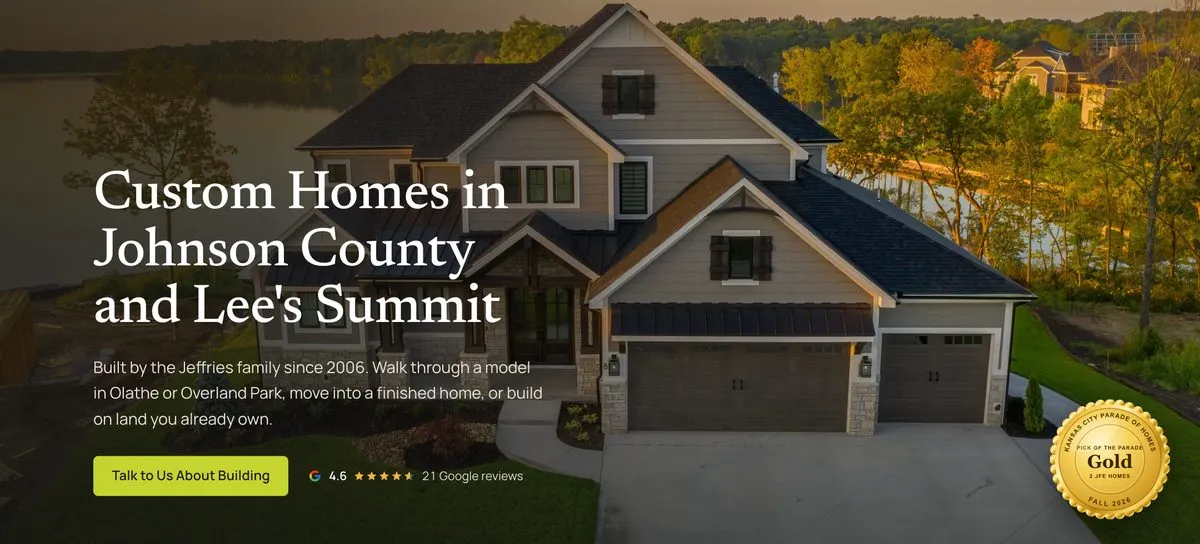
The headline names the work and the area, custom homes in Johnson County and Lee’s Summit.

JFE Construction concept homepage hero with the headline Custom Homes in Johnson County and Lee’s Summit, a Google rating and a Parade of Homes Gold badge

Proof Beside the Headline

This concept shows where verified awards and ratings belong. Before launch, confirm the source, date and review count with the builder.

  1. Who, What and Where in One Line

    The headline names the work and the area, custom homes in Johnson County and Lee’s Summit.

  2. Proof Beside the Headline

    This concept shows where verified awards and ratings belong. Before launch, confirm the source, date and review count with the builder.

Prices and Dates on Real Homes

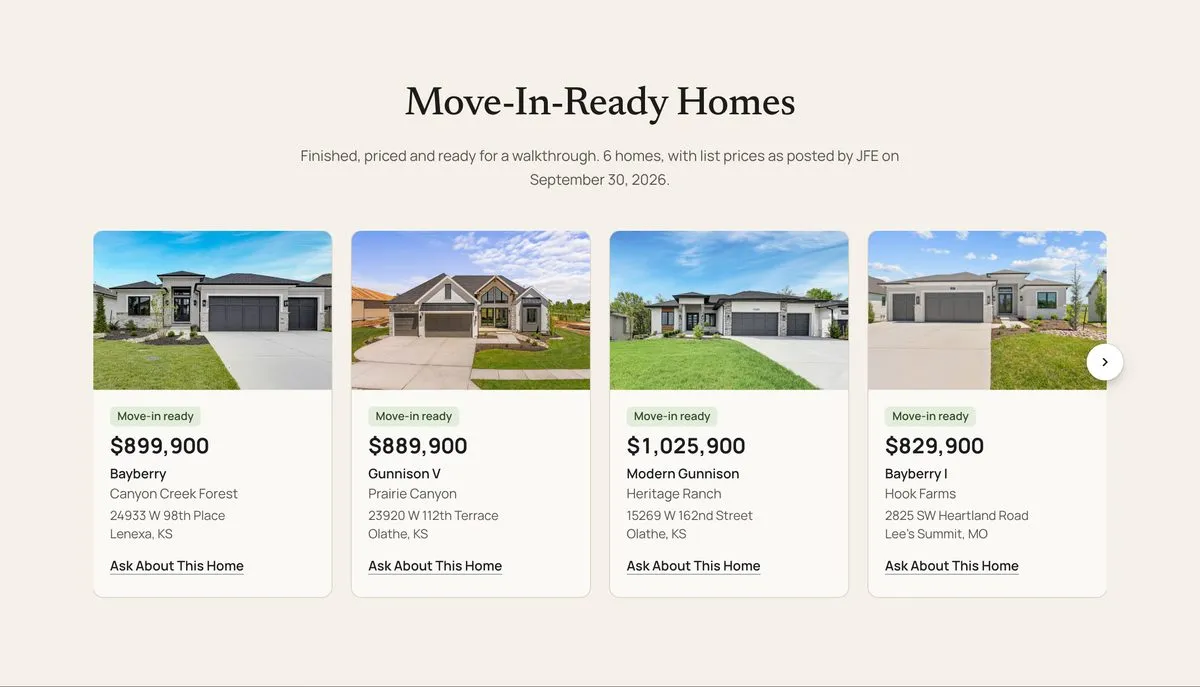
Move-in-ready homes show a price, a community and the date the price was posted.

Move-In-Ready Homes section of the JFE concept homepage with prices, communities and addresses
  1. Prices and Dates on Real Homes

    Move-in-ready homes show a price, a community and the date the price was posted.

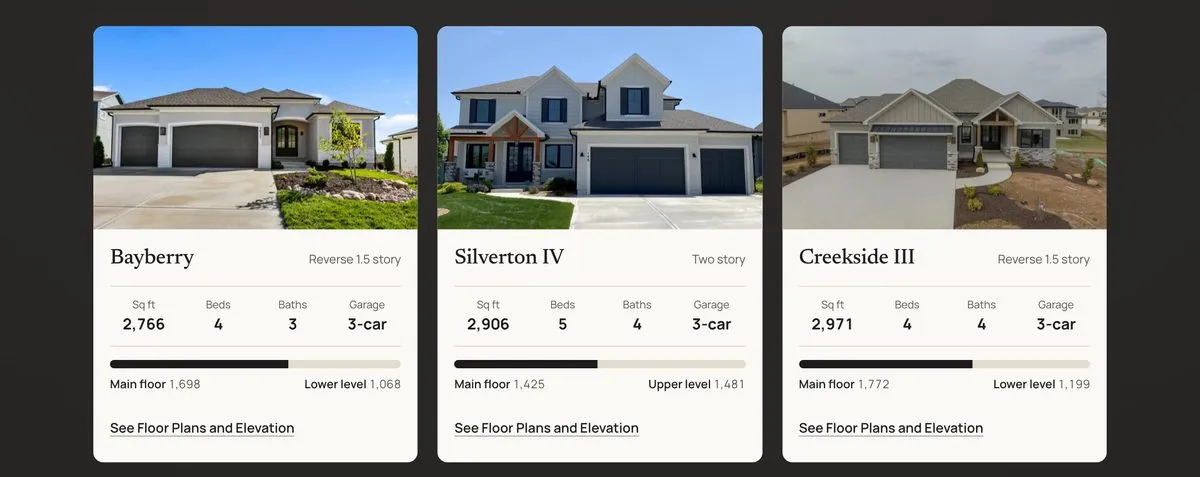
Floor Plans section of the JFE concept homepage comparing square footage, bedrooms, baths and garage

Plans Buyers Can Compare

Square footage, bedrooms, baths and garage for every plan, without a phone call.

  1. Plans Buyers Can Compare

    Square footage, bedrooms, baths and garage for every plan, without a phone call.

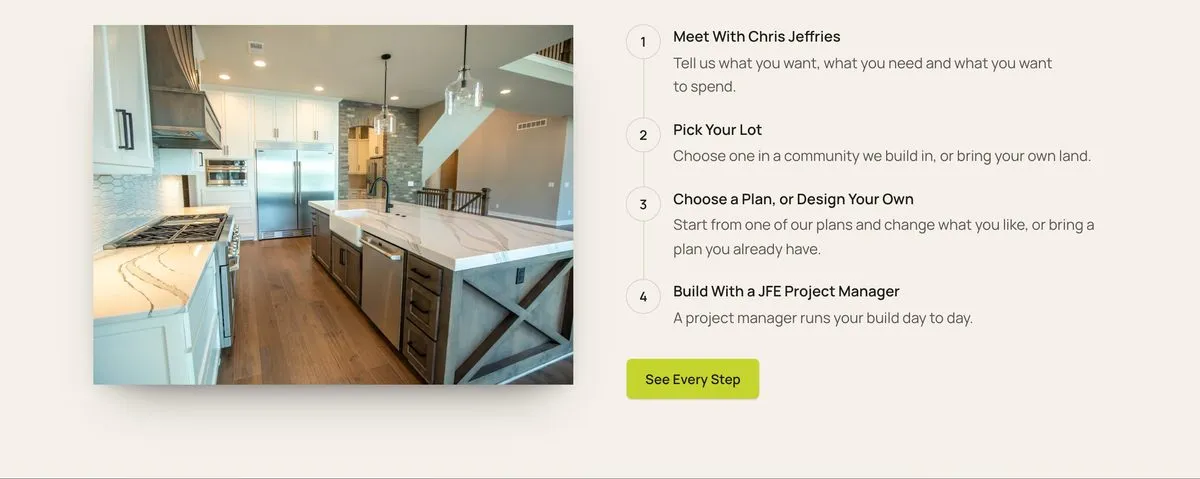
The Process in Plain Steps

Four steps from the first meeting to a project manager, so an unknown becomes a reason to call.

How Building With JFE Works section of the JFE concept homepage with four numbered steps
  1. The Process in Plain Steps

    Four steps from the first meeting to a project manager, so an unknown becomes a reason to call.

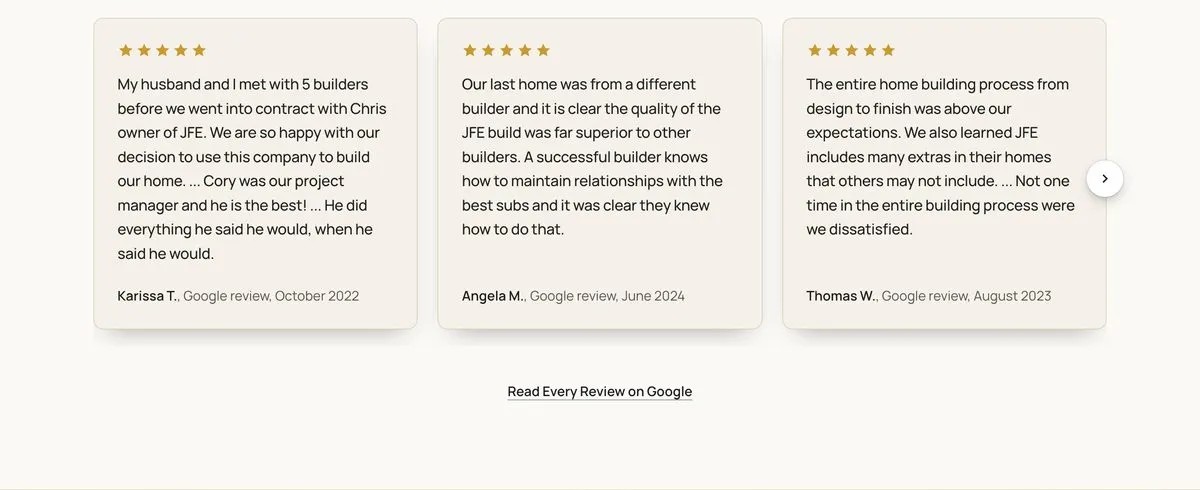
Rated 4.6 Stars on Google section of the JFE concept homepage with dated review quotes

Reviews That Match Google

The rating and review count match the Google Business Profile, with a date on every quote.

  1. Reviews That Match Google

    The rating and review count match the Google Business Profile, with a date on every quote.

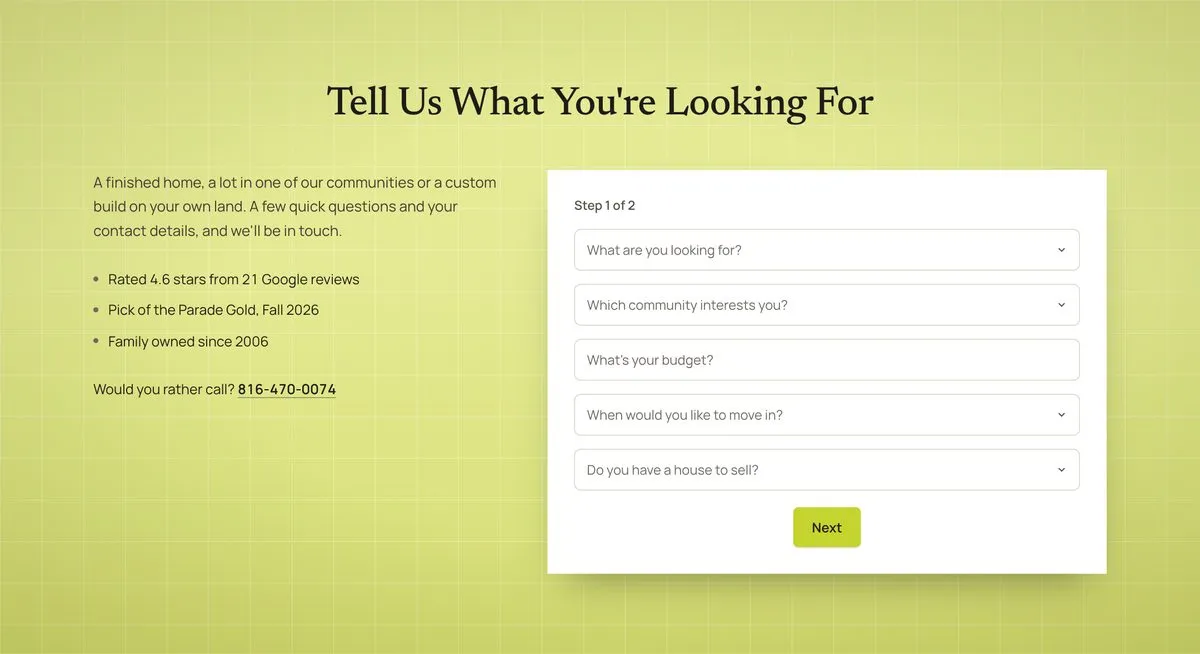
A Clear Next Step

A short two-step form asks what the buyer wants before their contact details.

Two-step lead form on the JFE concept homepage asking what the buyer is looking for
  1. A Clear Next Step

    A short two-step form asks what the buyer wants before their contact details.

The concept homepage Formbreak built for JFE Construction, a Kansas City custom builder. A concept, not a client site.

  • Headline
    JFE Construction concept homepage hero with the headline Custom Homes in Johnson County and Lee’s Summit, a Google rating and a Parade of Homes Gold badge

    Who, What and Where in One Line

    The headline names the work and the area, custom homes in Johnson County and Lee’s Summit.

    Proof Beside the Headline

    This concept shows where verified awards and ratings belong. Before launch, confirm the source, date and review count with the builder.

  • Inventory
    Move-In-Ready Homes section of the JFE concept homepage with prices, communities and addresses

    Prices and Dates on Real Homes

    Move-in-ready homes show a price, a community and the date the price was posted.

  • Floor plans
    Floor Plans section of the JFE concept homepage comparing square footage, bedrooms, baths and garage

    Plans Buyers Can Compare

    Square footage, bedrooms, baths and garage for every plan, without a phone call.

  • Process
    How Building With JFE Works section of the JFE concept homepage with four numbered steps

    The Process in Plain Steps

    Four steps from the first meeting to a project manager, so an unknown becomes a reason to call.

  • Reviews
    Rated 4.6 Stars on Google section of the JFE concept homepage with dated review quotes

    Reviews That Match Google

    The rating and review count match the Google Business Profile, with a date on every quote.

  • Lead form
    Two-step lead form on the JFE concept homepage asking what the buyer is looking for

    A Clear Next Step

    A short two-step form asks what the buyer wants before their contact details.

The concept homepage Formbreak built for JFE Construction, a Kansas City custom builder. A concept, not a client site.

Rankings and AI recommendations are never guaranteed. Choose a standalone website or a monthly search and AI visibility engagement with the build included.

What This Approach Did for One Real Estate Team

$65M+

Home sales, closed or under contract since 2021, for one St. Louis real estate team, from the YouTube channel, websites, and AI search Jacob built. A real estate team’s result, not a builder client’s.

  • 111 closed home sales tracked since 2021
  • $19M 2026 contract volume, closed or pending
  • 20,000+ YouTube subscribers

Luxury and Custom Home Builder Websites

Luxury home buyers are not shopping a price sheet. They are deciding whether to trust you with a year-long build and whether you can offer the specific features they want. The best homebuilder website earns that trust before the first meeting.

  • Photography, awards and finished-home stories that show your craftsmanship
  • Your design and build process, from sketch to warranty
  • A path for buyers who own land, with pricing on your terms

61%

of the sources AI tools cited were builders’ own websites, when we asked about hiring a custom builder.

Our September 2026 test: 20 questions about hiring a custom builder in St. Louis, asked in ChatGPT, Google AI Mode, Perplexity, Gemini and Claude, with 88 of 100 answers returned. One market and one pass, but for custom builders the website did most of the work.

Our Home Builder Web Design Process

Jacob leads every build, from the first call through launch.

  1. A 30-Minute Call

    A discovery call about your target market, current website, and the inquiries your sales team needs.

  2. Interviews and Access

    In the first 30 days, Jacob interviews your team on how you build and why buyers choose you, and connects your analytics and lead tracking.

  3. Preview Your 5 Core Pages

    Within 7 days of kickoff, you see your homepage, about, process, financing and contact pages. Your first payment comes after.

  4. Pages Built in Batches

    A phased rollout adds communities, plans and available homes. Agreed review points keep your feedback moving into each batch.

  5. Launch Without Losing Ground

    Every current page gets a match or a redirect before launch, so your rankings have the best chance to carry over.

What a Homebuilder Website Costs

Fixed prices by page count. You pay only after you see your 5 core pages.

  • Core Site + Up to 15 Pages

    $3,750

    Paid in full after you see your 5 core pages

    Community, plan and inventory pages for a builder with a small footprint

    • 5-page preview within 7 days of kickoff
    • Up to 15 additional pages
    • Community, plan and available-home pages
    • Copywriting, technical SEO and structured data
    • Analytics and lead dashboard
    • A month-3 review of visibility beyond the website
  • Core Site + Up to 80 Pages

    $12,000

    4 payments of $3,000

    For a builder with many communities, plans and move-in-ready homes

    • 5-page preview within 7 days of kickoff
    • Up to 80 additional pages
    • Community, plan and available-home pages
    • Copywriting, technical SEO and structured data
    • Analytics and lead dashboard
    • A month-3 review of visibility beyond the website

Payment plans are interest-free. Remaining pages are built in batches on your agreed timeline.

  • Maintenance and hosting$350 a month
  • SEO and AI visibility, 6-month minimumFrom $2,500 a month
  • YouTube consulting$350 a session

Keep Building Momentum After Launch.

Bring buyers in. Give them a reason to reach out.

Search & AI Visibility

Build search visibility through keyword research, technical SEO and Generative Engine Optimization (GEO): useful landing pages, schema, internal links and credible third-party mentions.

Content & YouTube

Turn buyer questions into neighborhood guides, project stories and videos. YouTube consulting sharpens topics, titles and thumbnails to bring viewers to your website.

Maintenance & Improvement

Keep your site current with hosting, updates and small edits. You own your website, domain and content.

Homebuilder Website FAQ

How much does a homebuilder website cost?

Homebuilder websites start at $3,750 for the core site plus up to 15 pages. Up to 40 pages is $6,000 and up to 80 pages is $12,000, with interest-free payments. Your first payment comes after you see your 5 core pages. Maintenance and hosting is $350 a month.

How long does it take to build a homebuilder website?

You preview your 5 core pages within 7 days of kickoff. The rest are built in batches on your agreed timeline, and your current site stays up until the new site launches.

Will we lose our Google rankings when the website changes?

Every page on your current site gets a matching page or a planned redirect before launch. Rankings are never guaranteed, but a mapped move gives your earned rankings the best chance to carry over. Our goal is to improve rankings and traffic after migration, while protecting what you’ve already earned.

Do you work with builders outside St. Louis?

Formbreak works with homebuilders anywhere in the United States. In St. Louis? Our St. Louis site goes deeper on local search.

Do you build websites for custom builders, production builders, or both?

We build for production, custom and semi-custom builders. Builder-owned communities need current plans and inventory; on-your-lot builders need a clear path from land to consultation. Each site is scoped around your project type and how you sell. Developers and remodelers are welcome too.

Can the website show our communities, floor plans, available homes and pricing?

Yes. A community list leads to plans and property listings with starting prices, available homes and model hours. Update pages yourself in an easy CMS, or send us a Google Doc and we build the page for you. Your team confirms prices and inventory before publication.

Who writes the content?

Copywriting is included, written from interviews with your team. Clear headings and subheadings organize SEO-friendly copy around buyer questions. Useful pillar pages can link to focused guides, including relocation content and local attractions when they matter to your communities. You can edit our drafts; human oversight keeps automated content generation from inventing facts or flattening your voice.

Is SEO included with the website?

Every build includes search engine optimization (SEO) foundations: keyword research, clean site architecture, on-page optimization, meta descriptions, image alt text and schema markup. Choose a standalone website, or a search and AI visibility engagement from $2,500 a month with a 6-month minimum. That engagement includes the website build or rebuild, with no separate build fee. The initial months cover the site and SEO foundations; broader visibility work follows as scope allows. Google Business Profile optimization, directory citations, review strategy and local backlinks support the same goal: qualified inquiries.

Do you guarantee rankings or leads?

No one honestly can. We promise a carefully built website that gives you the best odds, and steady work to improve it.

How involved does our team need to be?

More than you do with most website vendors, mostly in the first 30 days. Jacob needs the owner’s vision, your story, and why buyers choose you. We need to understand how your business operates at an intimate level, so we can make better content to tell your story to buyers. A marketing employee can help with details, but cannot replace the owner’s vision.

Who owns the website if we stop working together?

Your company owns the website, domain and content. We manage everything so you do not have to, and if you ever leave, you get every login. Upon departure, we’ll transfer all the website hosting and content to the account of your choosing.

How do you measure whether the website is working?

Your custom dashboard connects buyer behavior, floor plan views, organic traffic and AI referrals to qualified leads. Attribution models distinguish a first visit from the latest campaign; neither alone proves what caused a sale. Transparent reporting separates visit-to-lead conversion rates from sales outcomes. Where your CRM supports it, we can compare appointments, close rates and ROI using your actual costs and completed sales. Traffic alone cannot tell you whether homebuyers are the right fit. Review the buying journey and campaign effectiveness against agreed business goals.

What happens after the website launches?

We make targeted improvements after launch. Session recordings show where visitors get stuck, and we fix what keeps happening. On Living St. Louis, recordings showed rapid clicks on gallery arrows, so we made them easier to use.

Do you work with any homebuilder?

No. We read your reviews first, because good marketing cannot fix a poor buyer experience. A rough review history is not an automatic no if you can show what changed.

What will Formbreak not do?

We do not sell your homes, appear on camera in your videos, write or post reviews, promise rankings or leads, build copycat city pages, use black-hat SEO or buy cheap, low-quality or private blog network links. We do not publish claims you cannot back up, run paid ads, or build sites you do not own. Microsites and tools are welcome when they belong to you.

How do website design and CRM integration work together?

Builder-specific lead capture and routing starts with useful form fields: community interest, land status, budget and desired timing. Custom-build inquiries need a different handoff from requests to tour inventory. Form submissions go to your sales team or Online Sales Counselor through your Customer Relationship Management (CRM) system. We scope integrations with tools such as Salesforce around supported APIs and your existing setup. Appointment confirmations, lead routing and any automated nurture integrations are tested together to reduce lead leakage. Email and text nurture programs require your approved messages and the buyer’s consent.

What makes a home builder website redesign mobile-friendly?

Our mobile-first approach means buyers can compare homes, open galleries and request a tour with one hand. Mobile responsiveness includes large buttons and controls, readable project details and proper contrast ratios. Thumb-friendly layouts, simple navigation and clear menus make the next step obvious. Website accessibility checks include keyboard-friendly navigation, enlarged text and visible form labels. We test mobile speed and Google Core Web Vitals with fast-loading images sized for each screen. Clear calls to action (CTAs) guide the buyer journey without pop-ups interrupting it.

How are community, floor plan and inventory updates managed?

We agree on a content management system (CMS) and update workflow before building, sized to your number of communities and floor plans. Reliable manual updates can be better than a fragile automatic feed. Community pages show model home locations and hours, homesites and interactive site plans. Floor plan libraries organize architectural styles, elevations, square footage, room dimensions and bedroom and bathroom counts. Inventory management, interactive maps, virtual tours and automatic feeds depend on the data you maintain. Inventory alerts and listing syndication are optional integrations, scoped around your providers and permissions.

What is included in a home builder website audit before migration?

SEO preservation starts with data migration and a map of legacy URLs to their new destinations. We review organic search rankings, title tags, metadata and the internal linking structure, then plan 301 redirects where needed. A QA review checks forms, SSL, crawlability and XML sitemap coverage before launch. Your agreement defines website ownership, website hosting, ongoing maintenance and content responsibilities. A migration can still affect rankings; no agency controls the outcome.

What should buyers find on a community page?

Help buyers decide whether daily life fits. Community information should cover schools, commute times, parks, amenities and HOA details you can verify. Prices and incentives need dates; explain what is included before quoting a price per square foot. Show build-to-order opportunities alongside available inventory and quick move-ins, with honest availability and a clear lot address. A contact page with model home locations and hours makes visits easier. Keep sold lots and upcoming phase information current, and make tour bookings the next step.

How do you make the website feel like our company?

Discovery starts with your positioning and the buyers you want to reach. Your brand identity guides the color palette, typography, custom graphics and photography. Your portfolio showcase and copy explain your value proposition in words buyers use. Project stories can show architectural style, customization options and the decisions behind each home. Industry awards, media mentions, certifications and builder association memberships belong on the site when you can substantiate them.

Do we need landing pages for every area we serve?

Only when each page has something useful to say. Location-based keywords should connect service areas to real projects, neighborhood information and local building considerations. A builder serving multiple regions needs unique content for each market. A dedicated landing page gives buyers relevant evidence; strong internal linking leads them to plans or a consultation. Style-specific service pages can also work when you have the portfolio to support them. Repeating the same copy with a different city name does not help buyers choose you.

What photography and project details should we prepare?

Start with architectural photography and the facts behind each home. Project case studies can pair exteriors, interiors and construction progress images with the brief, project timeline and decisions your team made. Real team photos and client testimonial videos add context when you have permission to use them. Drone photography, community videos and video walkthroughs can help explain the setting. We agree on photography credit and digital portfolio permissions before publication; every project page should distinguish real completed work from concept images.

Can buyers explore our design options before contacting us?

A design center page can explain what happens in your design studio before buyers meet an interior designer. Home style guides and design center previews explain home personalization: which home finishes come standard and which upgrades cost extra, including cabinets, countertops and flooring. Downloadable brochures and a PDF of high-resolution plan documents help buyers compare architectural plans and furniture placement. Interactive floor plans, option selectors or 3D tours are optional features to scope, not promises in every website package. Your team confirms which choices, prices and plans are actually available.

How do you explain our custom home building process?

A homebuilding process page should explain preconstruction, lot evaluation, design decisions and the handoff to project managers. For a design-build firm, the design-build process page can clarify how the project architect, designers and builder work together. A warranty and quality page can distinguish workmanship coverage, structural coverage and manufacturer warranties using your actual documents. The FAQ section answers recurring buyer questions without turning a short inquiry form into a lengthy interview.

Do we need a new platform to grow?

Not always. We assess WordPress or your existing platform against your content management needs, integrations and scalability. Multiple page templates can keep a growing portfolio consistent without rebuilding each page from scratch. A purpose-built CMS platform or headless CMS may suit more complex data, but it adds responsibilities. We compare intuitive dashboards, API requirements, license agreements and long-term costs before recommending a move. The goal is a scalable platform your team can actually maintain.

What security and maintenance responsibilities should we agree on?

Your proposal should identify who handles hosting, software updates, plugins, regular backups and restore testing. Agree on uptime monitoring and a response window for problems before launch. We review HTTPS protection, account access and the provider’s available DDoS protection. Forms should collect only what your team needs, with privacy responsibilities and retention practices documented. No website can promise immunity from data breaches. Optional tools and third-party license costs should be scoped in advance rather than becoming hidden fees after launch.

Can the site include chatbots or automated follow-up?

Optional AI chatbots can answer approved questions or route chat inquiries to human sales team members. Live chat, form-based inquiries and automated follow-up need clear ownership: who replies, within what response window, and how buyers opt out. We scope workflow configuration and test automations before launch. A bot should hand off uncertain pricing or availability questions rather than invent answers.

How do we review the design before it launches?

Start with your positioning, preferred examples and the buyer actions that matter. Review homepage and interior layouts on phones and desktop, including above-the-fold CTA placement, clear headings and interactive functionality. Feedback guides focused iterations before the full site expands. Photos, renderings, video walkthroughs and downloadable collateral should explain the homes, not distract from them. No autoplay video or unusual scrolling is required.

A Great Website Should
Do More Than Look Good.

Let’s build a website that helps buyers find you, understand your homes and take the next step.